The intensity scale
How dark do you like it?
The percentage on a chocolate label is the share of the bar that comes from the cocoa bean — cocoa solids plus cocoa butter. The rest is mostly sugar, plus milk in milk chocolate. The higher the number, the less sweet and more intense the bar.
-
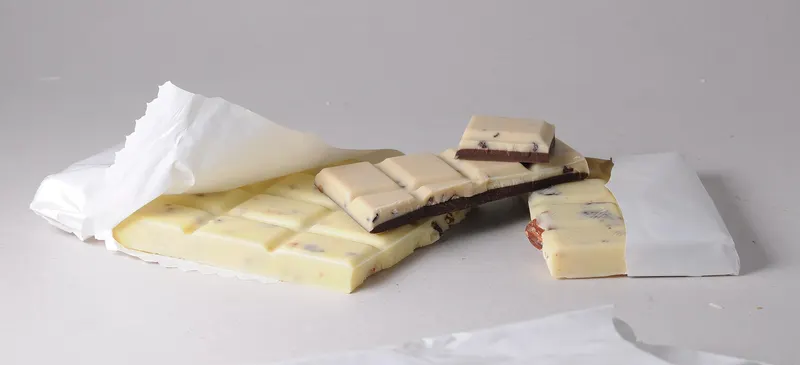 Mellow under 45%
Creamy, sweet and gentle — white and classic milk chocolate.
26 chocolates
Mellow under 45%
Creamy, sweet and gentle — white and classic milk chocolate.
26 chocolates
-
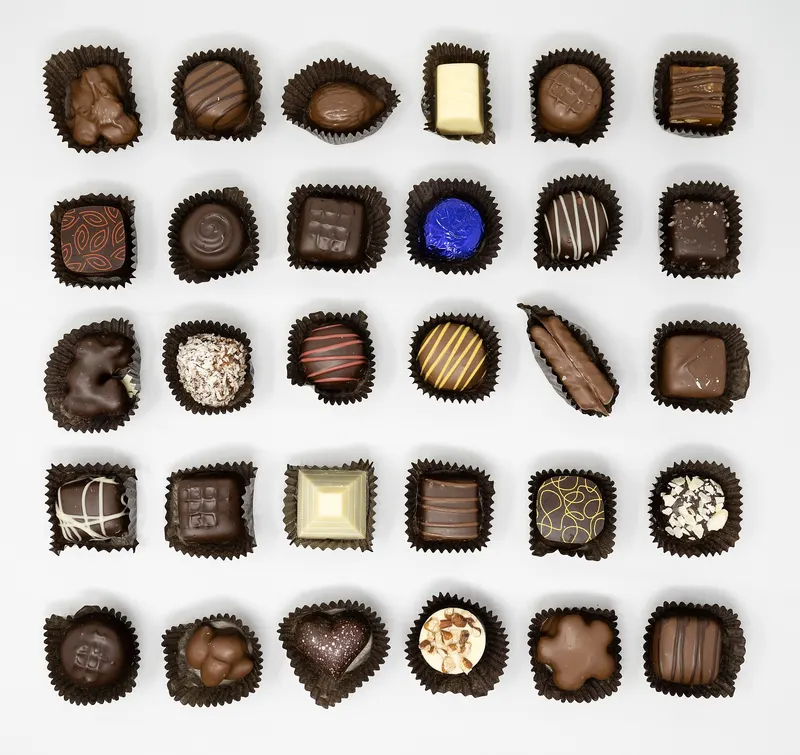 Smooth 45–64%
"Dark milk" and gentle dark — the easy step up.
69 chocolates
Smooth 45–64%
"Dark milk" and gentle dark — the easy step up.
69 chocolates
-
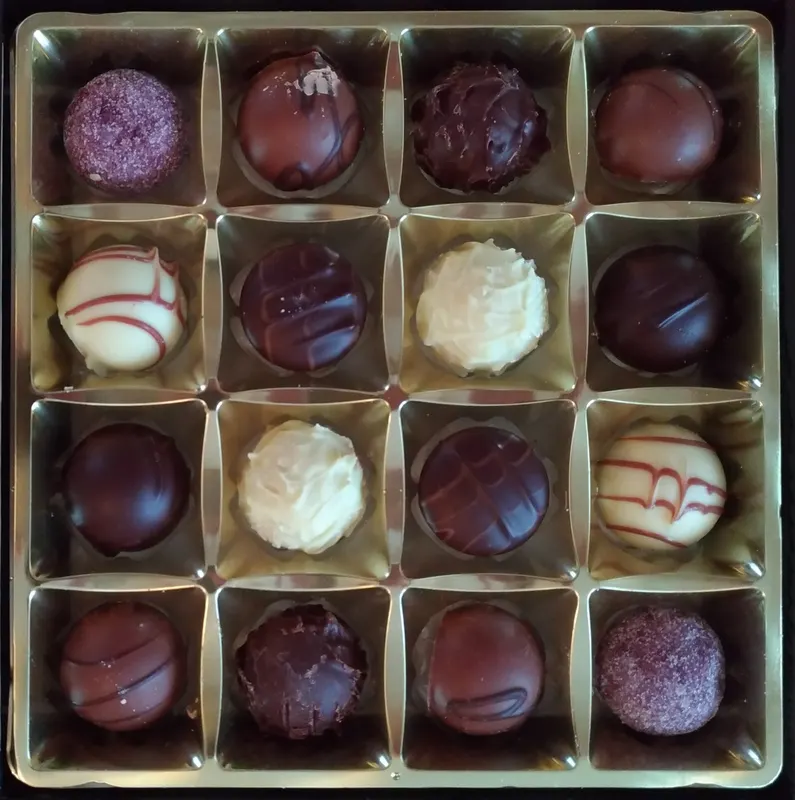 Rich 65–74%
Classic dark chocolate — where origin flavour really shows.
100 chocolates
Rich 65–74%
Classic dark chocolate — where origin flavour really shows.
100 chocolates
-
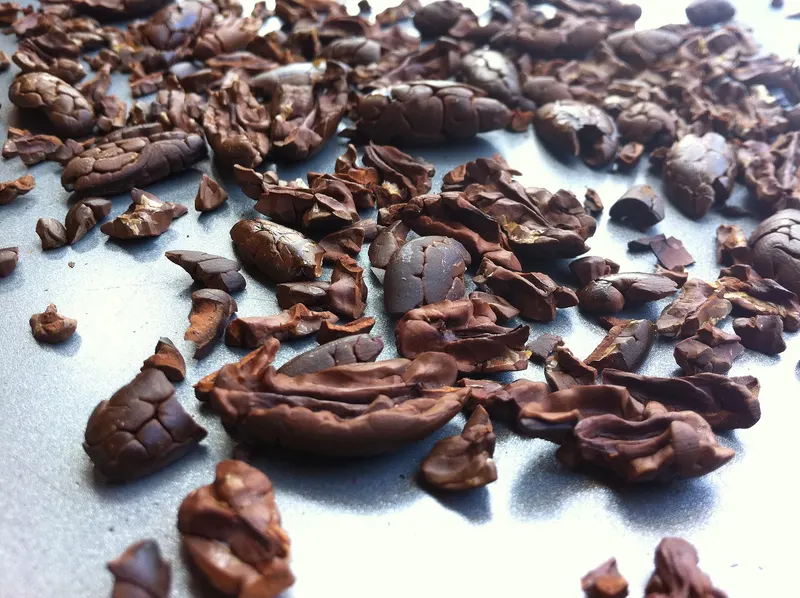 Intense 75–89%
Deep, bold and only lightly sweet.
60 chocolates
Intense 75–89%
Deep, bold and only lightly sweet.
60 chocolates
-
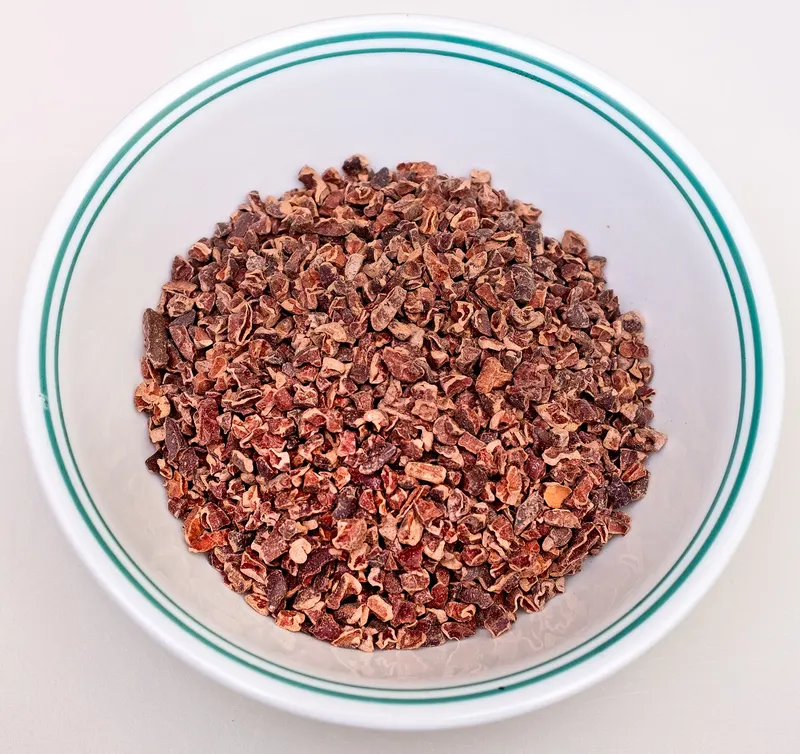 Extreme 90–100%
Barely sweetened to pure cocoa — for the committed.
31 chocolates
Extreme 90–100%
Barely sweetened to pure cocoa — for the committed.
31 chocolates
Percentage is not the whole story
Two 70% bars can taste completely different. Origin, fermentation and roasting all shape flavour, and a fruity Madagascan 70% can taste lighter than a deeply roasted blend at the same number. Use the scale to find your comfort zone, then explore origins within it.
We place a chocolate on the scale only when its maker states a cocoa percentage. Plenty of good chocolate — especially boxed and filled chocolates — doesn't, so it won't appear here.