The Chocolate Atlas
Chocolate by origin
Like coffee and wine, cacao tastes of where it grew. Madagascan beans are famous for red fruit, Venezuelan for nut and caramel, Ghanaian for the deep, round flavour most of us think of as "chocolate". Pick an origin to read what makes it distinctive, then compare the bars.
Pins are sized by how many chocolates we list from each origin. The shaded band is the tropics, where cacao grows.
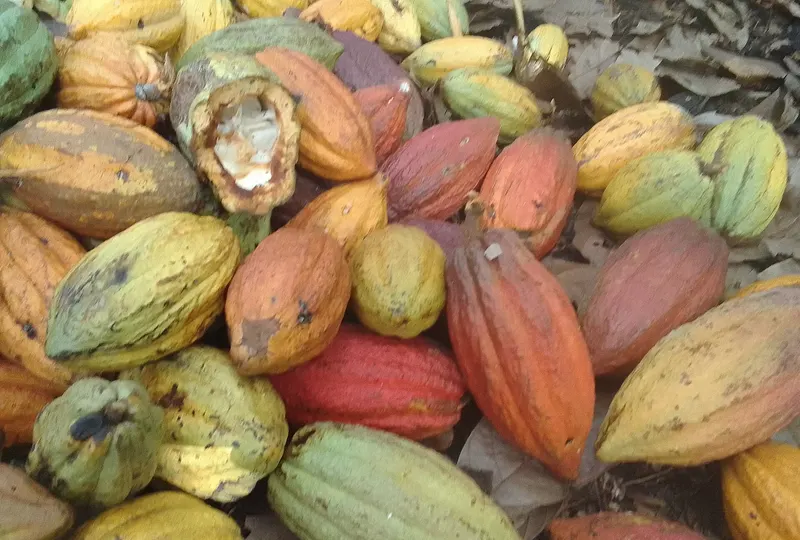 Madagascar
Sambirano valley, north-west
red berries · citrus · bright acidity
25 chocolates · 40–100%
Madagascar
Sambirano valley, north-west
red berries · citrus · bright acidity
25 chocolates · 40–100%
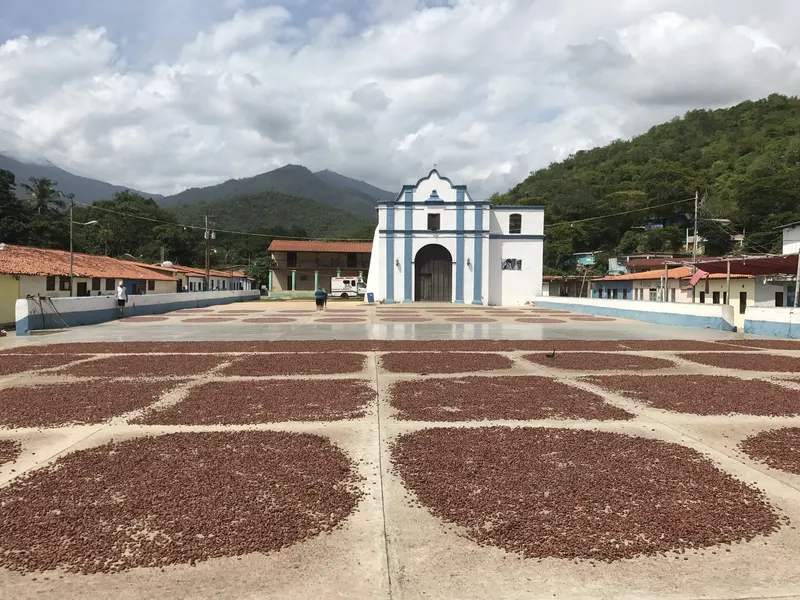 Venezuela
Chuao, Sur del Lago, Carenero
nutty · caramel · gentle bitterness
20 chocolates · 44–100%
Venezuela
Chuao, Sur del Lago, Carenero
nutty · caramel · gentle bitterness
20 chocolates · 44–100%
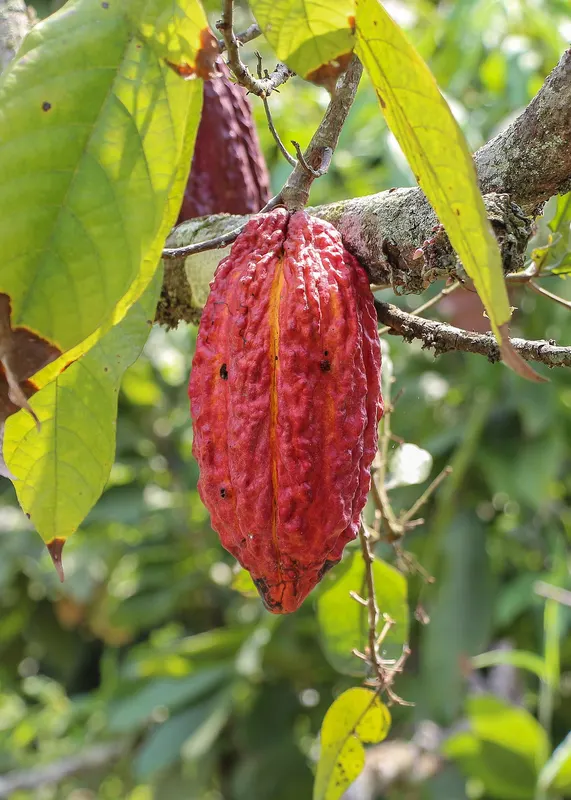 Peru
Piura, Cusco, the Amazon basin
fruity · floral · mild
13 chocolates · 45–100%
Peru
Piura, Cusco, the Amazon basin
fruity · floral · mild
13 chocolates · 45–100%
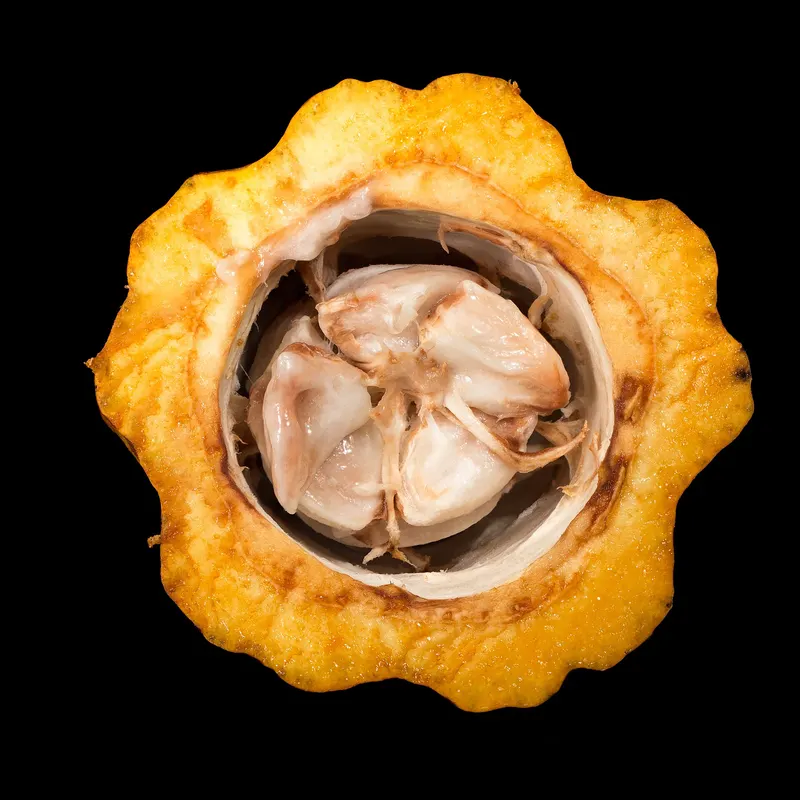 Vietnam
Ba Ria, Dong Nai, Tien Giang, Lam Dong
spice · tropical fruit · honey
11 chocolates · 48–100%
Vietnam
Ba Ria, Dong Nai, Tien Giang, Lam Dong
spice · tropical fruit · honey
11 chocolates · 48–100%
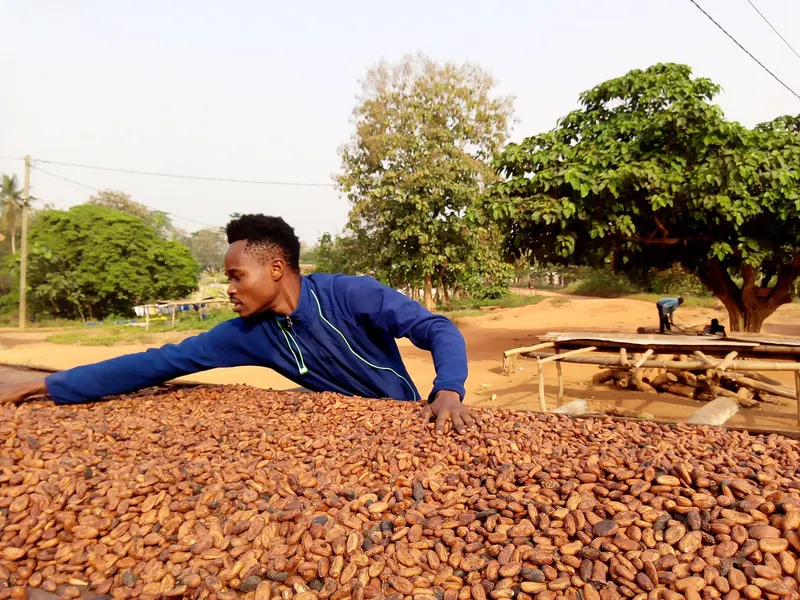 Ghana
Ashanti, Western and Eastern regions
classic cocoa · rounded · earthy
8 chocolates · 40–75%
Ghana
Ashanti, Western and Eastern regions
classic cocoa · rounded · earthy
8 chocolates · 40–75%
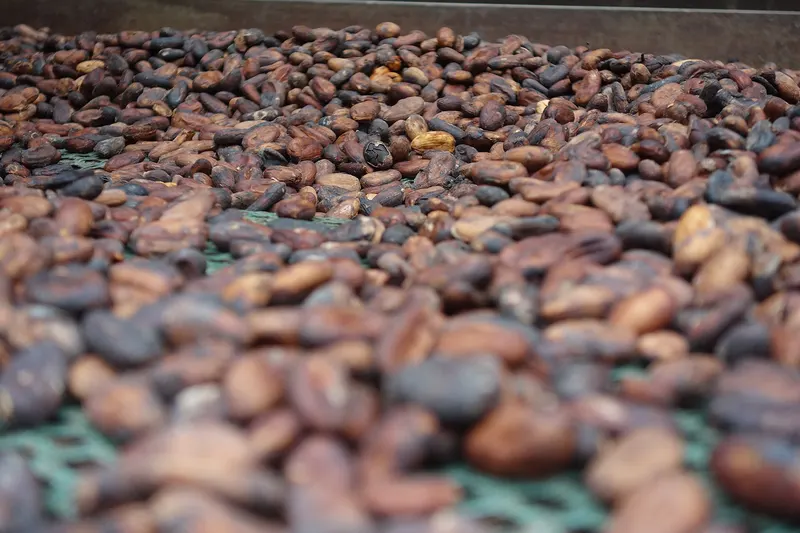 Ecuador
Los Ríos, Manabí, Guayas ("Arriba")
floral · jasmine · nutty
6 chocolates · 39–85%
Grenada
Grenada, "the Spice Isle"
earthy · fruity · spice
5 chocolates · 60–100%
Ecuador
Los Ríos, Manabí, Guayas ("Arriba")
floral · jasmine · nutty
6 chocolates · 39–85%
Grenada
Grenada, "the Spice Isle"
earthy · fruity · spice
5 chocolates · 60–100%
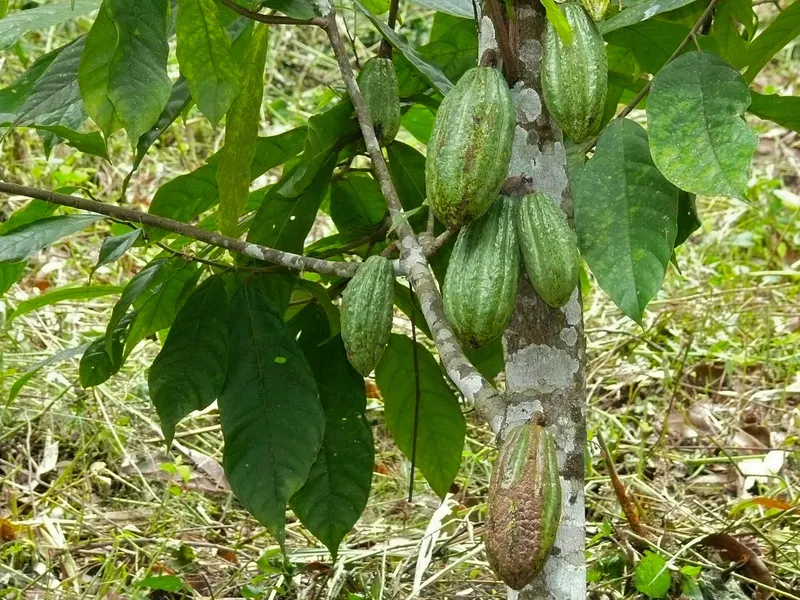 Indonesia
Java, Sulawesi, Sumatra
caramel · smoky · mild
5 chocolates · 32–75%
Indonesia
Java, Sulawesi, Sumatra
caramel · smoky · mild
5 chocolates · 32–75%
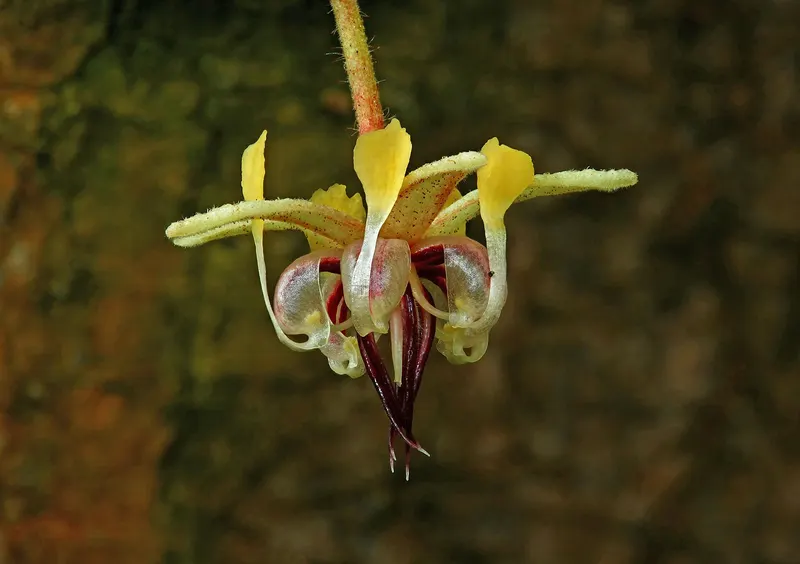 Dominican Republic
Duarte, San Francisco de Macorís
fruity · wine-like · cocoa
5 chocolates · 40–70%
Nicaragua
Matagalpa, Waslala, Río Coco
caramel · nutty · fruity
4 chocolates · 50–75%
Dominican Republic
Duarte, San Francisco de Macorís
fruity · wine-like · cocoa
5 chocolates · 40–70%
Nicaragua
Matagalpa, Waslala, Río Coco
caramel · nutty · fruity
4 chocolates · 50–75%
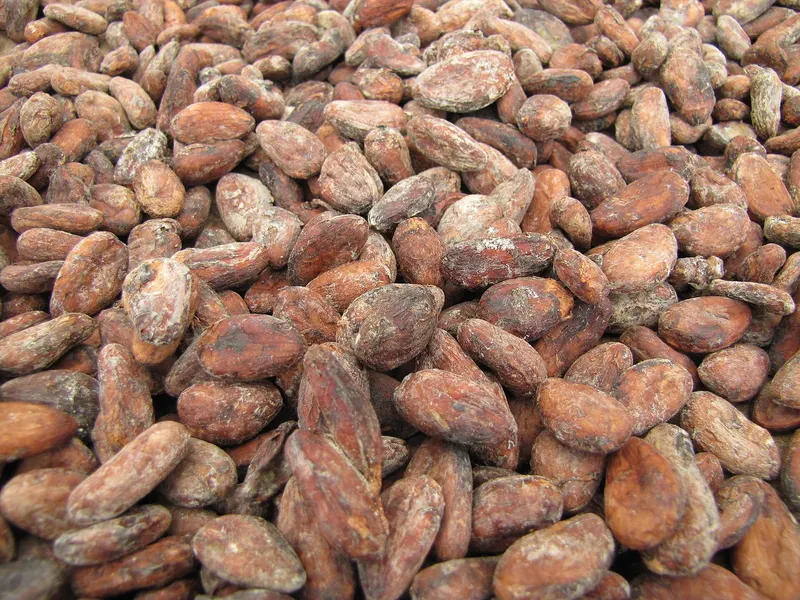 São Tomé
 and Príncipe, Gulf of Guinea
cocoa · coffee · robust
4 chocolates · 70–75%
Colombia
Santander, Arauca, Tumaco, Sierra Nevada
fruity · nutty · balanced
4 chocolates · 70–80%
São Tomé
São Tomé and Príncipe, Gulf of Guinea
cocoa · coffee · robust
4 chocolates · 70–75%
Colombia
Santander, Arauca, Tumaco, Sierra Nevada
fruity · nutty · balanced
4 chocolates · 70–80%
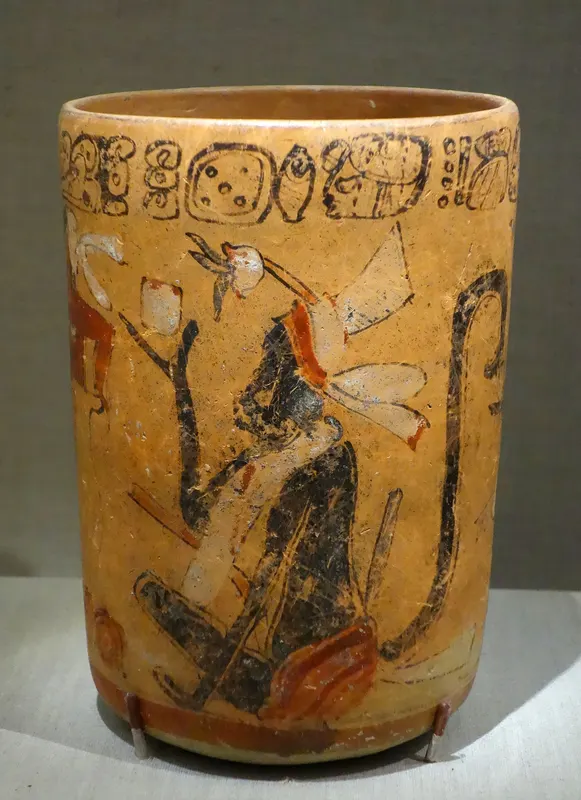 Mexico
Soconusco (Chiapas), Tabasco
earthy · nutty · spice
3 chocolates · 75%
Cuba
Baracoa, Guantánamo province
warm spice · honey · tobacco
3 chocolates · 75%
Uganda
Bundibugyo, western Uganda
bright fruit · citrus · cocoa
3 chocolates · 70–78%
Haiti
Northern Haiti
fruity · cocoa · mild acidity
3 chocolates · 60–75%
Brazil
Bahia, Pará, the Amazon
fruity · earthy · bold
3 chocolates · 70–75%
Mexico
Soconusco (Chiapas), Tabasco
earthy · nutty · spice
3 chocolates · 75%
Cuba
Baracoa, Guantánamo province
warm spice · honey · tobacco
3 chocolates · 75%
Uganda
Bundibugyo, western Uganda
bright fruit · citrus · cocoa
3 chocolates · 70–78%
Haiti
Northern Haiti
fruity · cocoa · mild acidity
3 chocolates · 60–75%
Brazil
Bahia, Pará, the Amazon
fruity · earthy · bold
3 chocolates · 70–75%
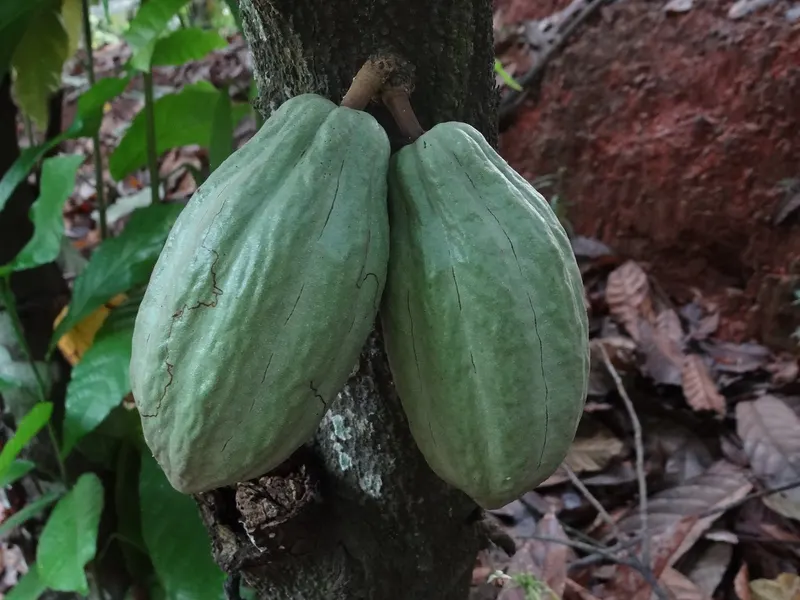 Tanzania
Kilombero valley, Kyela
bright fruit · citrus · red fruit
3 chocolates · 50–75%
Tanzania
Kilombero valley, Kyela
bright fruit · citrus · red fruit
3 chocolates · 50–75%
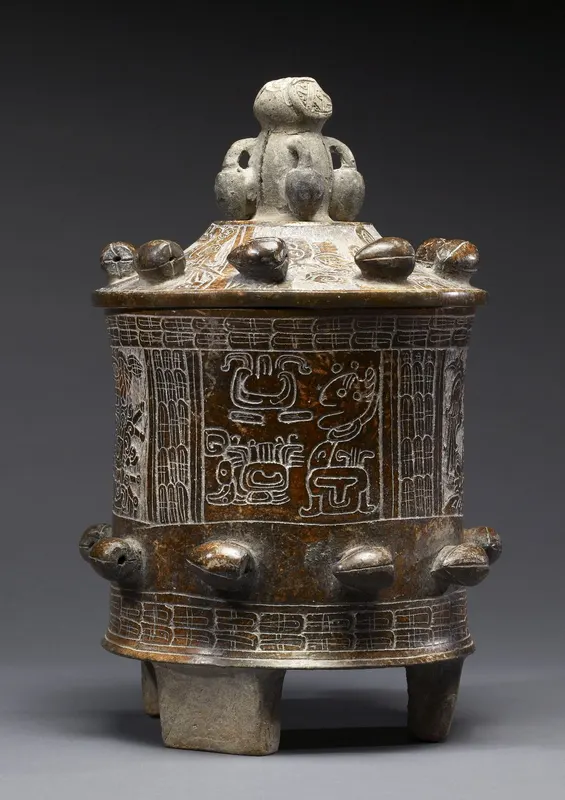 Guatemala
Alta Verapaz, Petén, Suchitepéquez
earthy · fruity · nutty
3 chocolates · 47–75%
Belize
Toledo district, southern Belize
fruity · nutty · mellow
3 chocolates · 72–82%
Guatemala
Alta Verapaz, Petén, Suchitepéquez
earthy · fruity · nutty
3 chocolates · 47–75%
Belize
Toledo district, southern Belize
fruity · nutty · mellow
3 chocolates · 72–82%
How we know where a chocolate is from
We only place a chocolate on the atlas when the maker names a single growing country or region — Chuao, Sambirano or Piura, say. Blends that combine beans from several countries are left off, because the point of a single origin is that you can taste one place. That is why 134 of our 1,293 chocolates appear here: most chocolate, especially milk chocolate and gifts, is made from blends.
We also list a handful of bars from Trinidad, Côte d'Ivoire, Philippines, Bolivia, Panama. We'll give those origins their own pages once we have enough bars to compare.