The Journal ·
Cocoa, Drinking Chocolate or Real Chocolate? How to Make Better Hot Chocolate
The powder in the jar decides most of what ends up in your mug. What separates cocoa powder, drinking chocolate and grated chocolate, and a simple method for each.
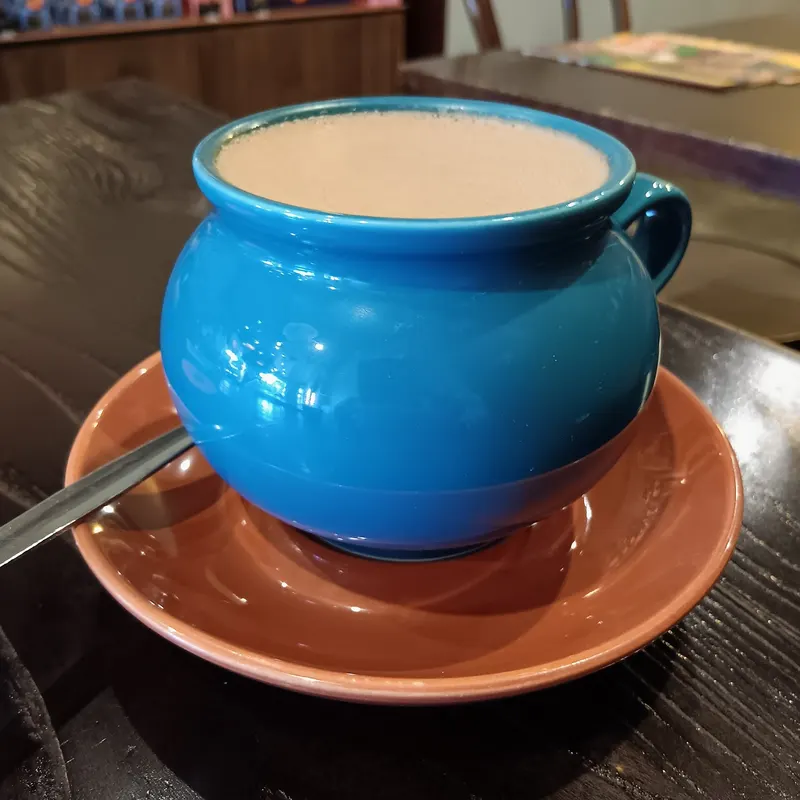
Hot chocolate is the one chocolate most of us make ourselves, and the one where the starting ingredient matters most. A spoonful of instant powder, a few teaspoons of cocoa and a handful of grated dark chocolate all go into hot milk, but they produce three very different drinks.
Here is what each one is, what it is good for, and how to get the best out of it.
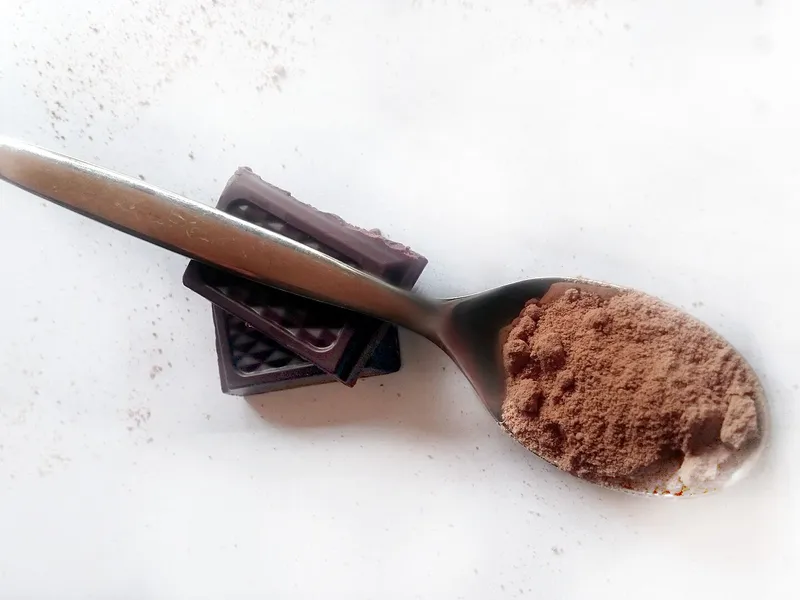
Cocoa powder
Cocoa powder is what is left when most of the cocoa butter has been pressed out of ground cocoa beans. It is intensely chocolatey, unsweetened and quite bitter on its own. Most cocoa sold in the UK for baking and drinks is alkalised, sometimes called Dutch-processed: treated to reduce acidity, which darkens the colour and gives a rounder flavour. Natural, non-alkalised cocoa is lighter and sharper.
Because there is very little fat, cocoa makes a lighter drink. It needs sugar, and it needs to be mixed properly or it sits on the surface in dry lumps.
How to make it: put two heaped teaspoons of cocoa and one or two of sugar in a mug. Add a splash of the hot milk and stir to a smooth paste, then pour in the rest while stirring. A pinch of salt helps more than you would think. Green & Black's organic cocoa is an easy supermarket-quality choice; the shop's Chocolat Madagascar single-origin cocoa is one for anyone who wants origin character in a mug.
Drinking chocolate
Drinking chocolate is the broad name for a ready-made mix, usually cocoa or ground chocolate with sugar already added. Quality varies enormously. At the cheap end the main ingredient is sugar and the cocoa content is low; at the top end it is simply finely grated or flaked chocolate, so the drink is rich because it contains all the cocoa butter.
The ingredients list tells you which you have. If sugar comes first, expect something sweet and thin. If chocolate or cocoa mass comes first, and there is a cocoa percentage on the front, you are buying something closer to melted chocolate.
Good examples in our hot chocolate section include Valrhona Nyangbo 68% drinking chocolate and Charbonnel et Walker's Original Dark and Milk drinking chocolates. For a festive tin, the Whittard Christmas hot chocolate is a popular stocking filler. For everyday mugs, Whittard's Luxury Hot Chocolate lists 39% cocoa, and Sweden's O'boy is a mild, sweet powder that children tend to like, hot or cold.
Green & Black's · Amazon UK
Green & Black's Organic Cocoa Powder, 125g
Organic, Fairtrade, alkalised cocoa for brownies and proper hot chocolate made with milk.
Whittard of Chelsea · Amazon UK
Whittard of Chelsea Christmas Hot Chocolate Tin, 140g
A festive tin of spiced hot chocolate powder; four teaspoons to a mug of hot milk.
Paul A. Young · Amazon UK
Adventures with Chocolate
Recipes from the London chocolatier, organised around flavour pairings, including his hot chocolate.
Affiliate links; stock checked daily.
Real chocolate, melted
The richest version is simply chocolate melted into milk. This is how hot chocolate was drunk for most of its history in Europe, long before cocoa powder was invented, and our article on how chocolate came to Britain covers the chocolate houses of the 1600s that served it.
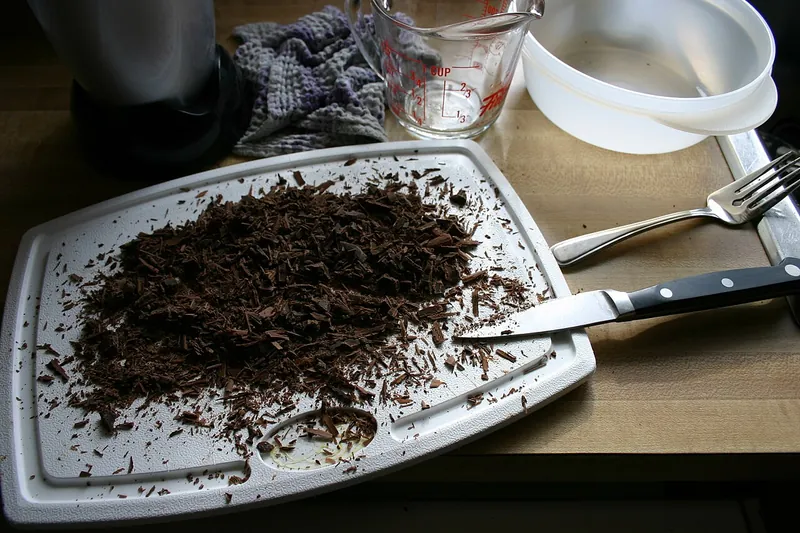
How to make it: for one large mug, warm 250ml of whole milk until it steams but does not boil. Take it off the heat and whisk in 40 to 50g of finely chopped dark chocolate or chocolate drops until smooth. Taste before adding sugar: a 70% chocolate is often sweet enough. Return it to a low heat for a minute, whisking, to thicken slightly.
Chocolate drops and callets save the chopping and melt evenly. A bag of 70% dark chocolate chips does both baking and drinks. For very dark, low-sugar drinks, the shop's 99% chips are an option, with sugar or honey added to taste.
Getting the texture right
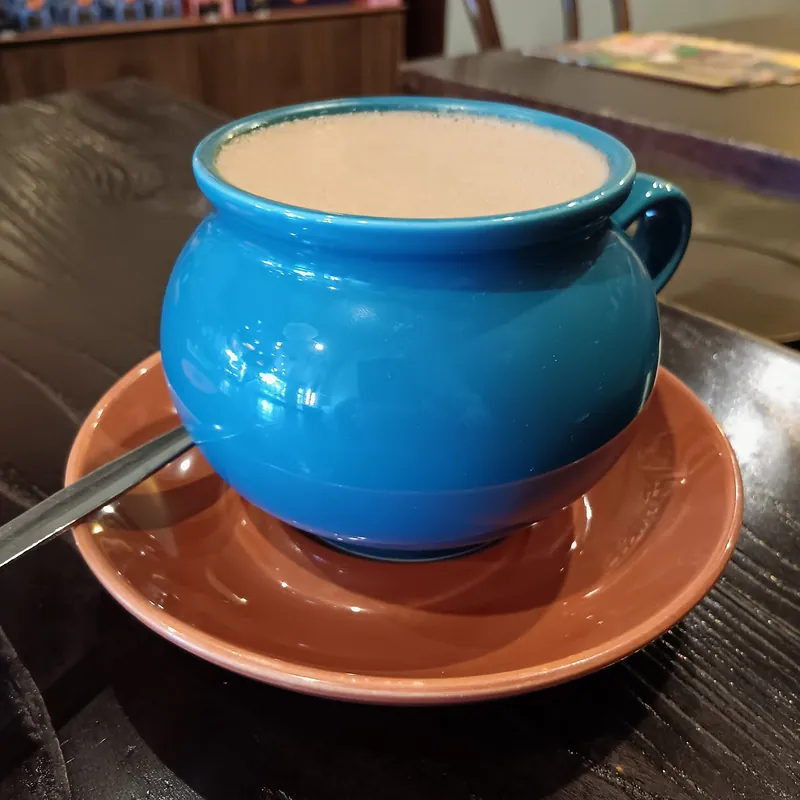
- Milk. Whole milk gives body. Semi-skimmed works but is thinner. Oat drinks made for coffee froth well and suit dairy-free hot chocolate; pair them with dark chocolate that contains no milk, such as bars from our vegan and dairy-free section.
- Whisking. A small hand whisk or a milk frother makes a surprising difference, especially with cocoa, which otherwise leaves sediment. Hotel Chocolat's Velvetiser does the heating and whisking in one jug, if you make hot chocolate often enough to give it counter space.
- Heat. Never boil chocolate in milk for long. It can catch on the pan, and boiling dulls the aroma.
- Thickness. For a thick, Spanish or Italian style drink, use more chocolate and add a teaspoon of cornflour mixed with cold milk, then simmer gently for a couple of minutes.
Hotel Chocolat · Amazon UK
Hotel Chocolat Velvetiser Hot Chocolate Machine, Chalk
A countertop machine that heats and whisks milk with chocolate flakes into a frothy hot chocolate in a few minutes.
Whittard of Chelsea · Amazon UK
Whittard of Chelsea Luxury Hot Chocolate, 350g
Whittard's everyday drinking chocolate powder, 39% cocoa, to whisk into hot milk.
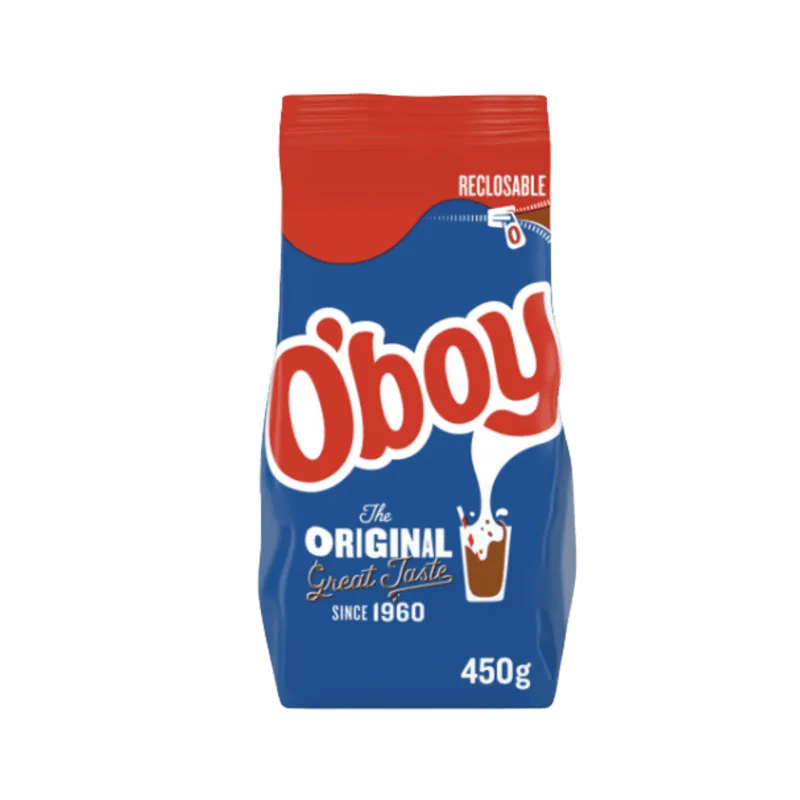
O'boy · Taztycandy
O'boy Original Chocolate Drink, 450g
The Swedish chocolate milk powder: stir it into cold milk, or warm it for a mild hot chocolate.
Affiliate links; stock checked daily.
Flavourings worth trying
A strip of orange peel, a cinnamon stick or a crushed cardamom pod warmed in the milk before you add the chocolate all work well. A small pinch of chilli turns it towards the spiced cacao drinks described in our origins of chocolate article. Vanilla softens very dark chocolate. If you would like more ideas, Paul A. Young's Adventures with Chocolate includes his own hot chocolate.
Whichever route you choose, it is worth knowing the cocoa percentage of what goes in. Our intensity scale sorts drinking chocolates and bars by percentage, so you can match the drink to how dark you like it. And for hot chocolate bombs, chocolate shells filled with cocoa and marshmallows, a half-sphere silicone mould is all the kit you need beyond tempered chocolate. If a bag of chocolate seizes on you while you are tempering, this is the best place for it.
More from the Journal
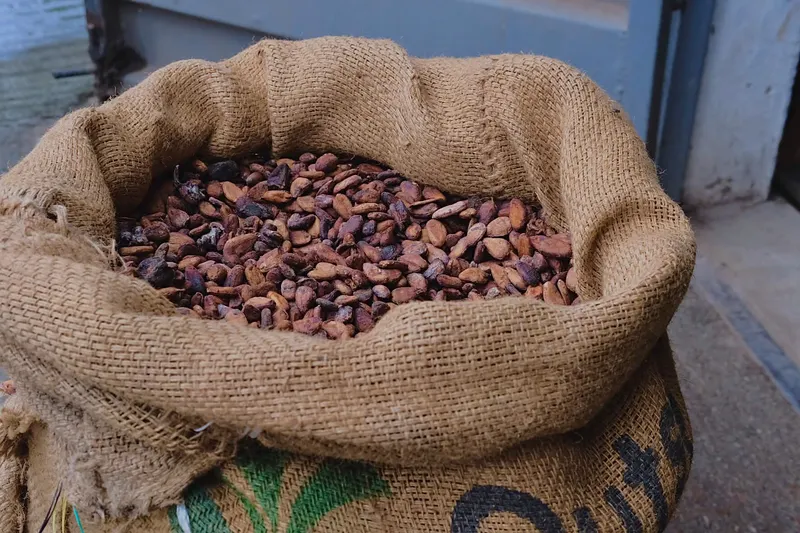
Fairtrade, Organic, Bean-to-Bar: What the Words on a Chocolate Wrapper Mean
Some words on a chocolate wrapper are defined in law or by a certifier. Others are just marketing. A plain guide to which is…
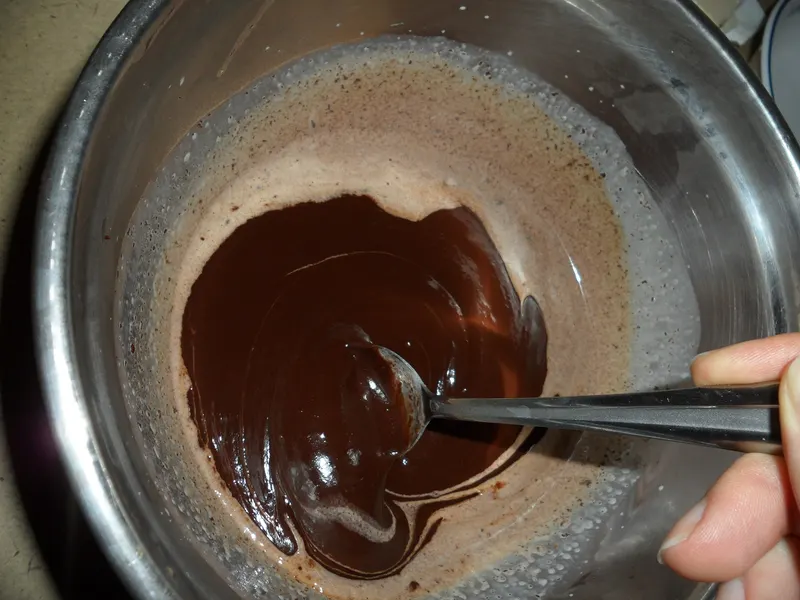
How to Temper Chocolate at Home: The Seed Method, Step by Step
Tempering is what gives chocolate its gloss and snap. The seed method needs a bowl, a thermometer and some patience, not a marble…
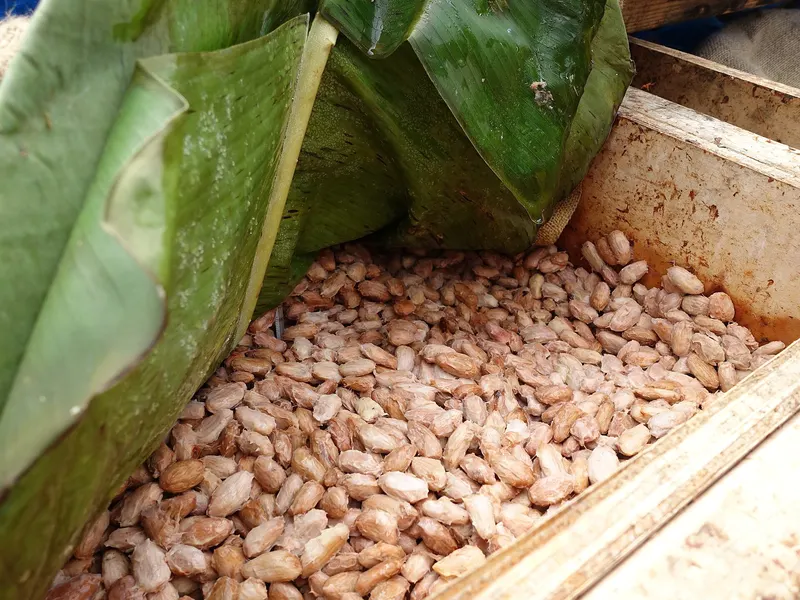
From Bean to Bar: The Six Steps That Make Chocolate
Fermentation, drying, roasting, winnowing, conching, tempering. Most of chocolate's flavour is created after the pod is picked…