The Journal ·
Fairtrade, Organic, Bean-to-Bar: What the Words on a Chocolate Wrapper Mean
Some words on a chocolate wrapper are defined in law or by a certifier. Others are just marketing. A plain guide to which is which, from cocoa percentages to "single origin".
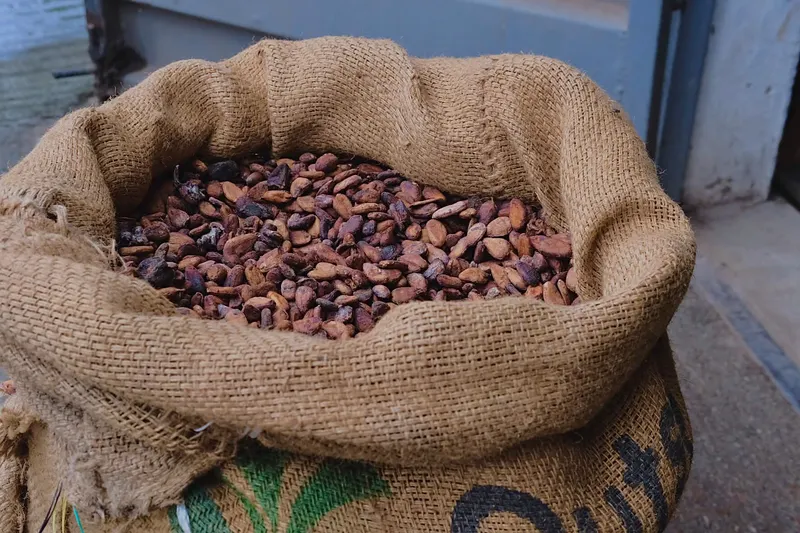
Turn over a bar of chocolate in a specialist shop and you can find half a dozen claims on one wrapper: a percentage, an origin, a certification logo or two, perhaps "bean to bar", "craft" or "single estate". Some of these words have a legal or certified meaning. Others mean whatever the maker wants them to.
Knowing the difference makes it easier to choose, and easier to compare prices fairly.
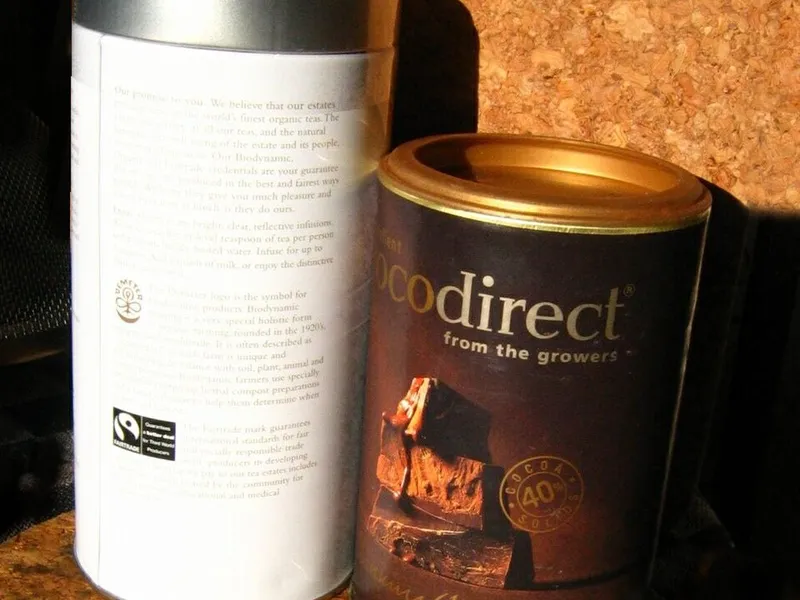
Words with a legal meaning
"Chocolate", "milk chocolate" and "white chocolate"
In the UK these names are set out in cocoa and chocolate products regulations, which follow the earlier EU rules. In broad terms, "chocolate" must contain at least 35% total dry cocoa solids; "milk chocolate" at least 25% cocoa solids plus a minimum of milk solids; and "white chocolate" at least 20% cocoa butter and 14% milk solids. The UK also allows a "family milk chocolate" with lower cocoa and higher milk content. A product that does not meet the rules has to be called something else, which is why some cheap confectionery says "chocolate flavour".
The cocoa percentage
The percentage is the share of the bar that comes from the cocoa bean: cocoa solids and cocoa butter together. It does not tell you how much of each. Two 70% bars can differ a lot in bitterness and texture because one has more butter and the other more solids. The rest of the bar is mostly sugar, plus milk in milk chocolate. Our intensity scale groups bars by this number, and the rich and intense bands are where most single-origin dark bars sit.
Organic
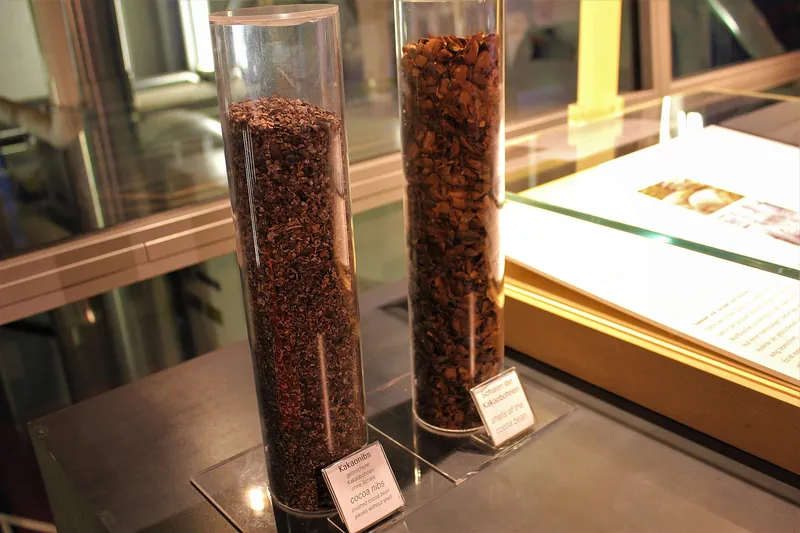
"Organic" on food sold in the UK has to be certified by an approved body, and the certifier's code appears on the pack. For cocoa, it means the beans and other farm ingredients were grown under organic rules, which restrict synthetic pesticides and fertilisers. It says nothing directly about flavour, farmer income or how the chocolate was made. Our organic and Fairtrade section collects bars that make either claim, such as the Andoa Noir 70% from Peru.
Certification schemes
Fairtrade
The Fairtrade Mark is run by Fairtrade International and, in the UK, the Fairtrade Foundation. For cocoa, certified farmer organisations are paid at least a set minimum price, plus a Fairtrade Premium that the cooperative spends on projects its members choose. Products that carry the mark have to meet the scheme's rules on how much of each ingredient is certified.
Fairtrade does not guarantee the cocoa is fine-flavour, and it does not by itself mean the maker sources directly from farmers. It is a floor, not a ceiling. Divine is an interesting example: the company is part-owned by Kuapa Kokoo, a cocoa farmers' cooperative in Ghana, and its 70% dark bars are Fairtrade certified. Alter Eco's Ecuador 70% is both organic and Fairtrade, and so is Green & Black's organic cocoa.
Divine · Amazon UK
Divine 70% Dark Chocolate Bars, 30 x 35g
A case of small Fairtrade bars, handy for lunchboxes, desk drawers or party bags.
70% RichAlter Eco · Amazon UK
Alter Eco 70% Ecuador Dark Chocolate, 100g
Organic and Fairtrade dark chocolate with a short ingredient list.
70% RichÓrla Ryan · Amazon UK
Chocolate Nations: Living and Dying for Cocoa in West Africa
A journalist's account of the cocoa trade in Ghana and Côte d'Ivoire, including child labour and what Fairtrade does and does not change.
Affiliate links; stock checked daily.
Other schemes
You will also see other sustainability labels and company-run programmes. They vary in what they require and how they are checked, so it is worth reading what a particular scheme promises rather than treating every green logo the same. For an honest account of the problems these schemes are trying to address in West Africa, including child labour, Órla Ryan's Chocolate Nations is a clear, readable book.
Words with no fixed meaning
"Single origin"
Usually means all the cocoa came from one country, but some makers use it for one region or one farm. There is no legal standard. On our origin atlas we only place a bar when the maker names one growing country or a known region, and we leave blends off, but that is our rule, not the law's.
"Single estate" and "single plantation"
Narrower: one farm or plantation. Often the most distinctive bars, and the hardest claims to check from outside. Willie's San Agustin Gold is labelled single estate, from Colombia.
"Bean to bar"
Means the company makes its chocolate from the cocoa bean itself, roasting, grinding and conching in-house, rather than melting down chocolate bought from a large manufacturer. It is a description, not a certification. Our bean-to-bar article explains the six steps involved, and Megan Giller's Bean-to-Bar Chocolate covers the movement in more depth.
"Craft", "artisan", "fine", "premium"
Marketing words. Some of the best chocolate in our shop uses them, and so does some very ordinary chocolate.
"Vegan" and "dairy free"
Useful, but read the small print. Many dark chocolates contain no milk ingredients yet carry a "may contain milk" warning because they are made on shared lines. If you are buying for someone with an allergy rather than a preference, the retailer's allergen information is what matters. Our vegan and dairy-free section collects bars whose makers describe them that way.
Putting it together
When comparing two bars at a similar price, the questions worth asking are: what percentage is it, how specific is the origin, who actually made it from the bean, and which certification, if any, does the pack carry? A bar that answers all four clearly is usually worth trying. If you want to put the answers to the test, our home tasting guide and our guide to South American origins are good places to start.
More from the Journal
Peru, Ecuador and Colombia: A Beginner's Guide to South American Chocolate
Three neighbouring countries, three quite different styles of chocolate. What to expect from each origin, what to look for on the…
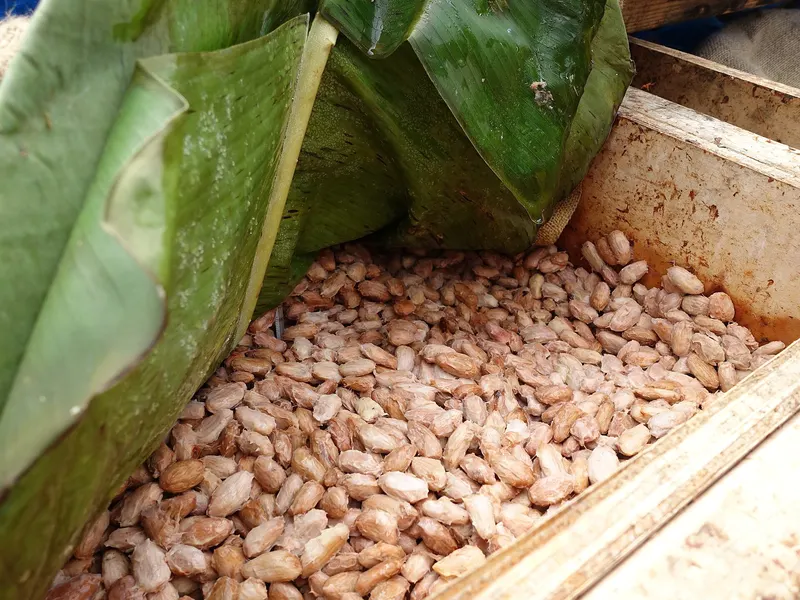
From Bean to Bar: The Six Steps That Make Chocolate
Fermentation, drying, roasting, winnowing, conching, tempering. Most of chocolate's flavour is created after the pod is picked…
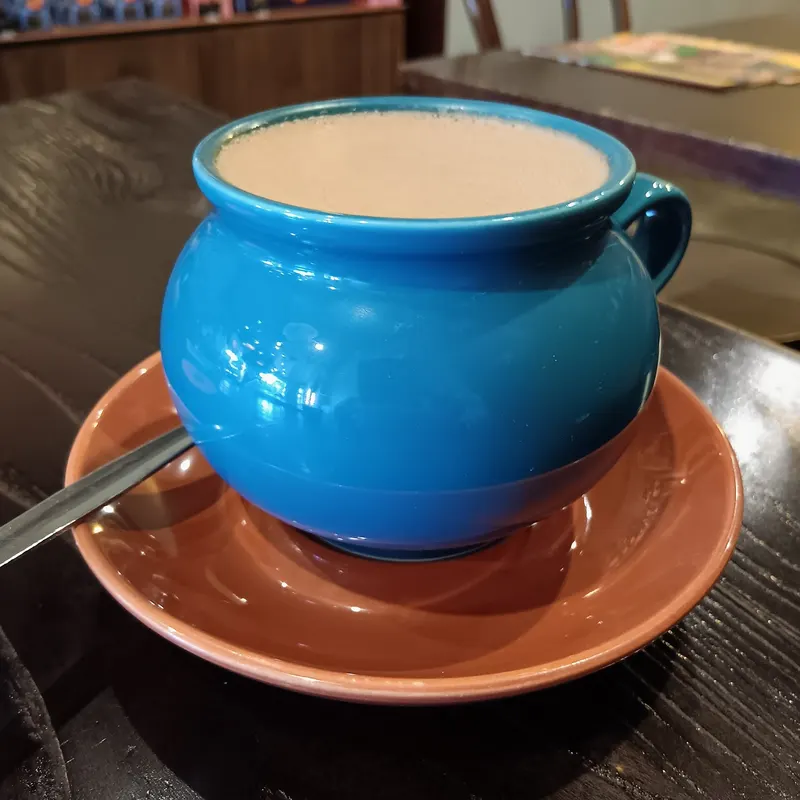
Cocoa, Drinking Chocolate or Real Chocolate? How to Make Better Hot Chocolate
The powder in the jar decides most of what ends up in your mug. What separates cocoa powder, drinking chocolate and grated…