The Journal ·
Peru, Ecuador and Colombia: A Beginner's Guide to South American Chocolate
Three neighbouring countries, three quite different styles of chocolate. What to expect from each origin, what to look for on the label, and which bars to start with.
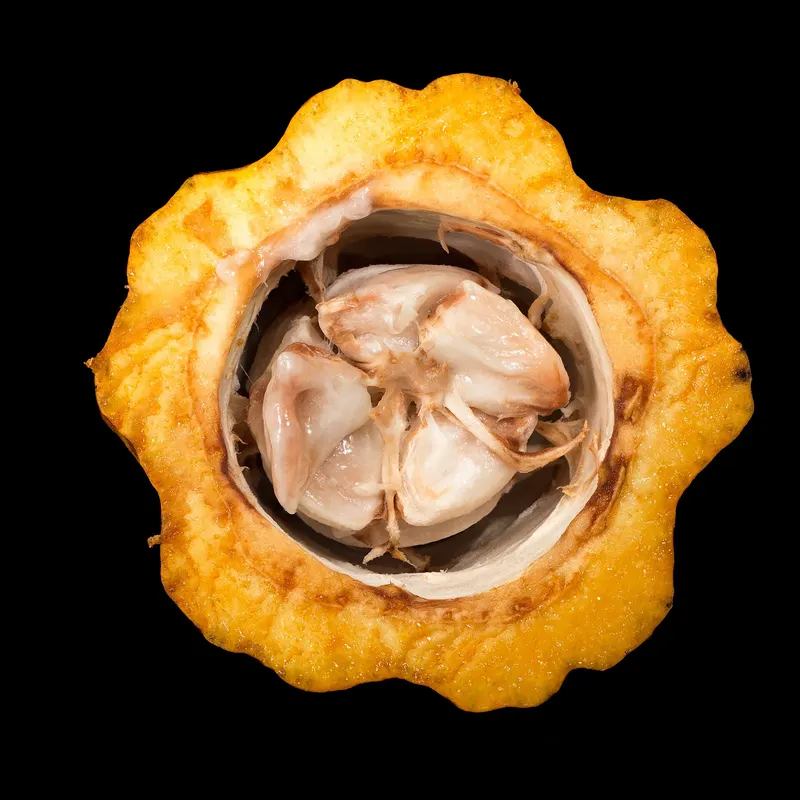
The upper Amazon, where Peru, Ecuador and Colombia meet, is where cacao is thought to have first evolved. The region still holds an unusual amount of the tree's genetic variety, and all three countries now export fine-flavour cocoa to chocolate makers around the world.
They sit side by side on the map but taste noticeably different. This guide gives a short portrait of each, then suggests bars to try. All three have their own pages in our origin atlas with the full list.
Peru: variety from valley to valley
Peru is hard to sum up in one flavour, because its growing regions are so different. In the dry north, around Piura, farmers grow a cacao with pale, almost white seeds that makes mild, fruity chocolate with little bitterness. In the Cusco region, cacao is grown in high valleys. In the Amazon lowlands, cooperatives produce beans with a deeper, fruitier character.
What links them is a soft, approachable style. Even at 75%, a Peruvian bar often seems less bitter than its number suggests, which makes Peru a good origin for someone moving up from milk chocolate. Peru is also a large producer of organic cocoa, so it appears often on organic labels.
Bars to start with: Willie's Chulucanas Gold 70% comes from the Piura region. Bonnat makes a set of Peruvian bars that are useful for comparing regions within one country: Alto Piura, Cacao Cusco and Madre de Dios, all at 75%. The Andoa Noir 70% is an organic option. Read more on the Peru page.
Ecuador: the floral one
Ecuador's reputation rests on Nacional, a native cacao whose beans carry a floral aroma. Jasmine and orange blossom are the notes most often mentioned. In the 19th century, traders called the best cocoa "Arriba", from the up-river growing areas, and the word is still used on labels as shorthand for Ecuadorian fine cocoa.
There is a catch. Ecuador also grows a lot of CCN-51, a high-yielding hybrid planted for volume, so "Ecuador" on a wrapper is not a promise of fine flavour by itself. Look for Nacional, Arriba, or a named farm or region.
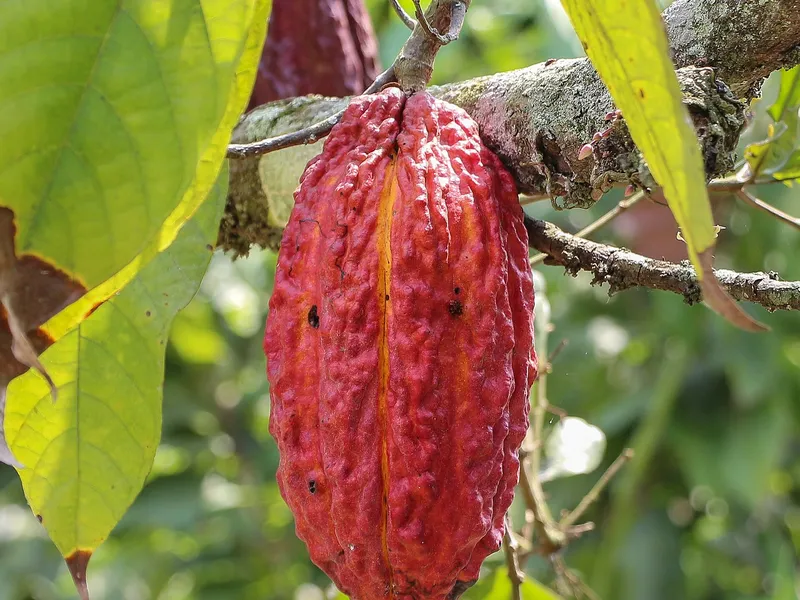
Bars to start with: the Amedei Ecuador 77% is a good reference bar. Pump Street's Ecuador 85% shows the origin at a darker strength. On Amazon, Alter Eco's 70% Ecuador is organic and Fairtrade. For bakers, the shop also carries Callebaut Origin Ecuador milk chips. More on the Ecuador page.
Colombia: balanced and growing fast
Colombia grows cacao everywhere from the Caribbean coast to Andean valleys, and is officially recognised as a producer of fine-flavour cocoa. In several regions that were hit hard by the country's armed conflict, cacao has been promoted as a legal crop to replace coca, and the number of Colombian farms and cooperatives named on single-origin labels has grown as a result.
The typical style is balanced: fruity and nutty without the sharp acidity of Madagascar or the deep roast of West African beans. In the Sierra Nevada de Santa Marta, heirloom white-seeded cacao is grown as part of a Slow Food project.
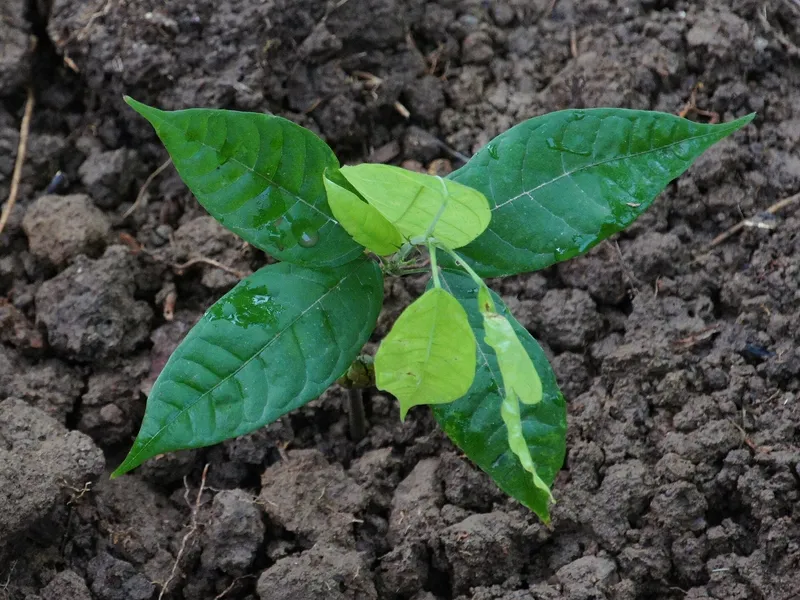
Bars to start with: Willie's San Agustin Gold 88% is a single-estate Colombian bar, dark but fruity. See every Colombian bar on the Colombia page.
Alter Eco · Amazon UK
Alter Eco 70% Ecuador Dark Chocolate, 100g
Organic and Fairtrade dark chocolate with a short ingredient list.
70% RichMaricel E. Presilla · Amazon UK
The New Taste of Chocolate
A cultural and natural history of cacao with recipes, strong on Latin American origins.
Sophie D. Coe & Michael D. Coe · Amazon UK
The True History of Chocolate
The standard account of cacao from the Olmec and Maya to the modern bar, by two anthropologists.
Affiliate links; stock checked daily.
Tasting them side by side
To compare the three properly, pick bars between 70% and 77%, the rich band on our intensity scale, and taste them in one sitting, Peru first, then Colombia, then Ecuador. Our home tasting guide has the method. Notice in particular how soft the Peruvian bar feels, and whether the Ecuadorian one has that floral lift on the finish.
For background, Maricel Presilla's The New Taste of Chocolate is strong on Latin American cacao, and Sophie and Michael Coe's The True History of Chocolate covers the much older story told in our article on the origins of chocolate.
Reading a South American label
- Country only ("Peru 70%"): a blend from that country. Fine, but expect less character.
- Region ("Piura", "Arriba", "Santander"): more specific and usually more distinctive.
- Estate or cooperative name: the most specific of all, and usually the most expensive.
- Variety ("Nacional", "Criollo", "Porcelana"): a claim about the type of tree. Worth noting, though these names are not regulated.
For more on what other words on a wrapper mean, see our guide to Fairtrade, organic and bean-to-bar labels.
More from the Journal
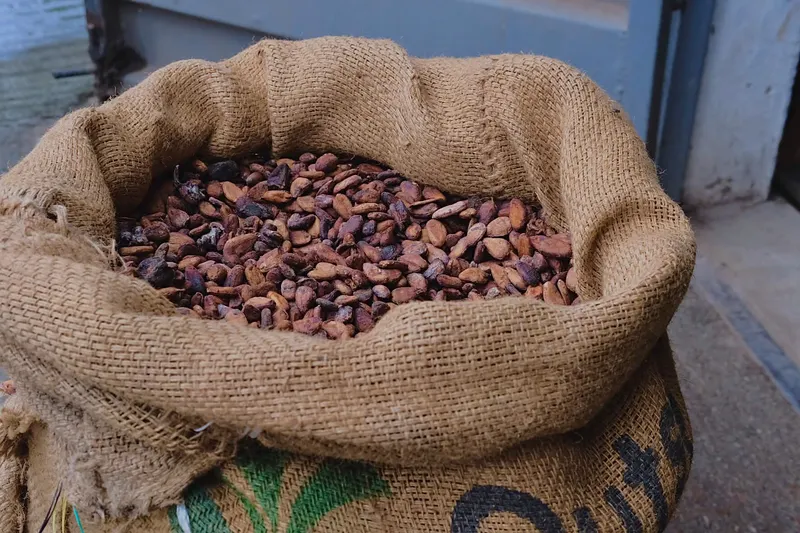
Fairtrade, Organic, Bean-to-Bar: What the Words on a Chocolate Wrapper Mean
Some words on a chocolate wrapper are defined in law or by a certifier. Others are just marketing. A plain guide to which is…
How to Taste Chocolate: A Five-Bar Tasting Flight at Home
Snap, smell, melt, wait. A simple method for tasting chocolate properly, and a flight of five single-origin bars that shows how…
From Bean to Bar: The Six Steps That Make Chocolate
Fermentation, drying, roasting, winnowing, conching, tempering. Most of chocolate's flavour is created after the pod is picked…